

As climate change continues to exacerbate the frequency and intensity of natural disasters, proactive management strategies have become increasingly vital. Among these, bushfire hazard assessment plays a crucial role in mitigating disaster risks. By evaluating the potential threats and vulnerabilities, this systematic approach can inform effective prevention and response measures.
The Inherent Risks of Bushfires
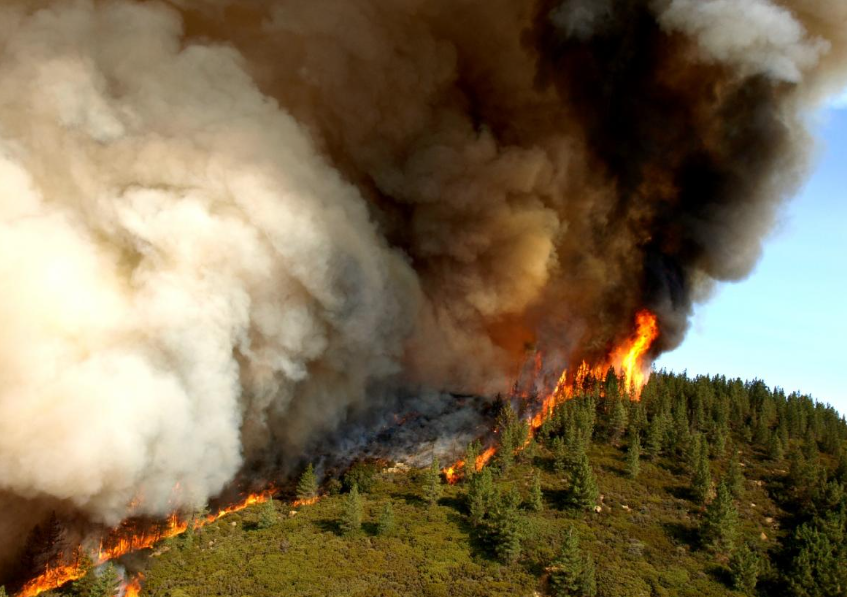
Bushfires, known as wildfires in some regions, are uncontrolled fires that rapidly spread across vegetation and forest areas. They pose significant threats to both human life and the environment. Factors such as dry climates, abundant fuel (dry vegetation), and ignition sources contribute to the risk.
The Relevance of Wildfire Risk Evaluation
By applying a methodical evaluation process, often referred to as wildfire risk evaluation, we can gain valuable insights into the potential danger zones and the specific risks they present. This information is instrumental in shaping appropriate mitigation strategies and resource allocation.
The Process of Bushfire Hazard Assessment
The bushfire risk assessment involves a comprehensive analysis of several key factors. Initially, it identifies the areas prone to bushfires based on geographical features, vegetation types, and weather conditions. It then examines the potential severity of a bushfire in these areas, factoring in elements such as fuel load and fire behaviour patterns.
Following this, the assessment evaluates the vulnerability of communities within these high-risk zones. It considers aspects like population density, infrastructure, and emergency service accessibility. Finally, it forecasts the potential impact of a bushfire, considering both direct damage (life, property, and infrastructure) and indirect consequences (environmental degradation, economic loss).
The Impact of Effective Risk Evaluation
An effective wildfire risk evaluation can greatly contribute to disaster risk reduction. By identifying high-risk areas and potential impacts, it enables authorities to prioritize preventative measures like controlled burning, vegetation management, and community education programs. Moreover, it informs the planning of emergency response strategies, ensuring that resources are deployed where they are most needed during a disaster.
In addition, these assessments can guide land-use planning and development decisions, helping to avoid or minimize the exposure of communities to bushfire risks. They also play a key role in raising public awareness about the dangers of bushfires and the importance of individual preparedness measures.
Conclusion:
Bushfire hazard assessment is a critical tool in the ongoing battle against the escalating threat of bushfires. Providing a clear understanding of potential risks and vulnerabilities equips us with the knowledge necessary to reduce the catastrophic impacts of these disasters. As we face a future where such events may become more common, the value of this systematic, proactive approach cannot be overstated.