

There are two main types of Offset Revegetation For Wind Farm in Brisbane: one is the replanting process, which involves planting new trees and plants in an area that has been damaged by natural or man-made circumstances; the other is regeneration, which involves replanting old trees or plants in an area that has been damaged by natural or man-made circumstances.
The most common reason why people choose this method is that it is very cost-effective and does not take up much time. Additionally, it helps to restore biodiversity as well as improve soil quality and water retention capacity. However, before starting this process, experts will conduct research on all aspects of it, including identifying what species can be planted in an area so they can be used as replacements if needed later on down the line
Offset Revegetation Types And Methods
If a wind farm is being built near an area with animals, it is crucial that the team conducting this process take all precautionary measures and ensure that they do not harm any animal species in the area.
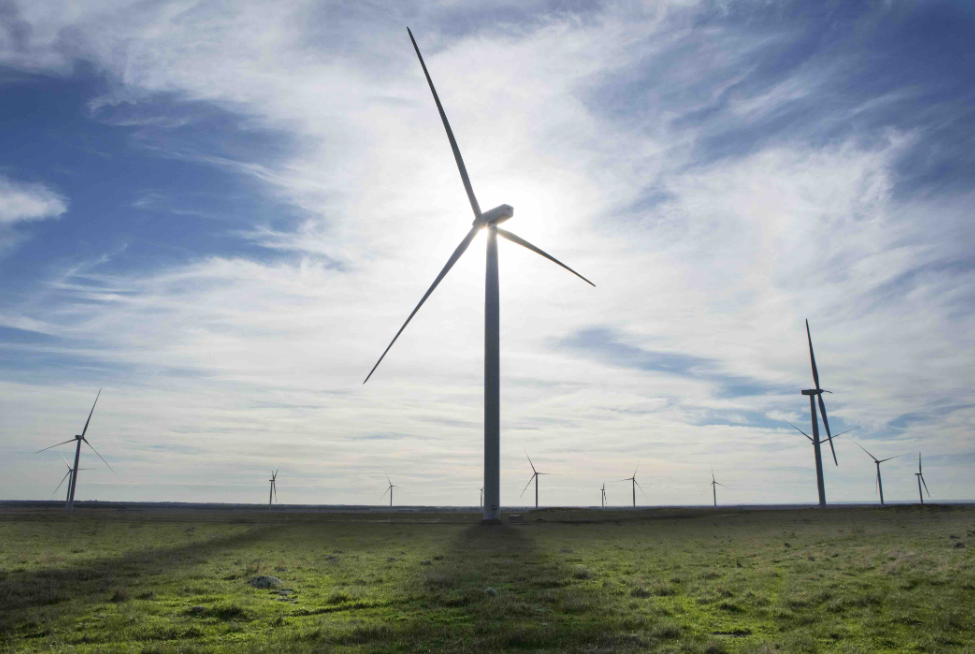
The most common method of Offset Revegetation For Wind Farm Brisbane is planting native species. This can be done by either transplanting seedlings from areas where the plants are used to grow or by planting seedlings from other regions where they can thrive.
Another method of Offset Revegetation For Wind Farm Brisbane is using cuttings from existing trees or shrubs or even flower seeds. It can be beneficial if you want to reestablish vegetation in an area where there was none before because it allows you to create more plant life without having to use water or fertilizer during the process.
Steps To Follow
In order for Offset Revegetation For Wind Farm Brisbane to be successful, it is important to follow certain steps. These steps include:
- Conducting research on the area that needs to be revegetated.
- Observing any changes in the environment or local flora.
- Collecting samples from every part of the region, including soil, water, and air.
- Identifying the ideal type of plant species that will grow in an area.
- Creating a plan for replanting which includes which type of plants are needed and how they will be planted.
- Planning how long it will take for the new vegetation to come back into its natural habitat.
You should also consider using herbicides when doing Offset Revegetation For Wind Farm Brisbane as well.
For more information visit our website!